The Mulch Mistake Most Gold Coast Gardens Make and How to Fix It
Here’s an unpopular opinion: most people apply mulch wrong. They do it once, feel good about it, and then wonder why their garden isn’t improving the way they expected. Mulch Gold Coast gardens need pecifically is not the same as what works in cooler climates, and treating it like a one-size-fits-all solution is where things start going sideways.
Why Mulch Actually Matters
Mulch does more than make garden beds look tidy. In Gold Coast conditions — hot summers, humidity, and soil that tends to dry out fast — it’s doing active work. Good mulch regulates soil temperature, retains moisture so you’re not watering twice as often, suppresses weed growth, and breaks down over time to feed the soil with organic matter.
The problem is that most people either use the wrong type, apply it too thin, or pile it against the base of plants in a way that causes more harm than good.
Depth and Material Both Matter
Thickness is where a lot of gardens underperform. A layer under 50–70mm isn’t doing much. At that depth, moisture evaporates quickly and weeds find their way through without much resistance. Most recommendations suggest 70–100mm for beds that actually benefit from it.
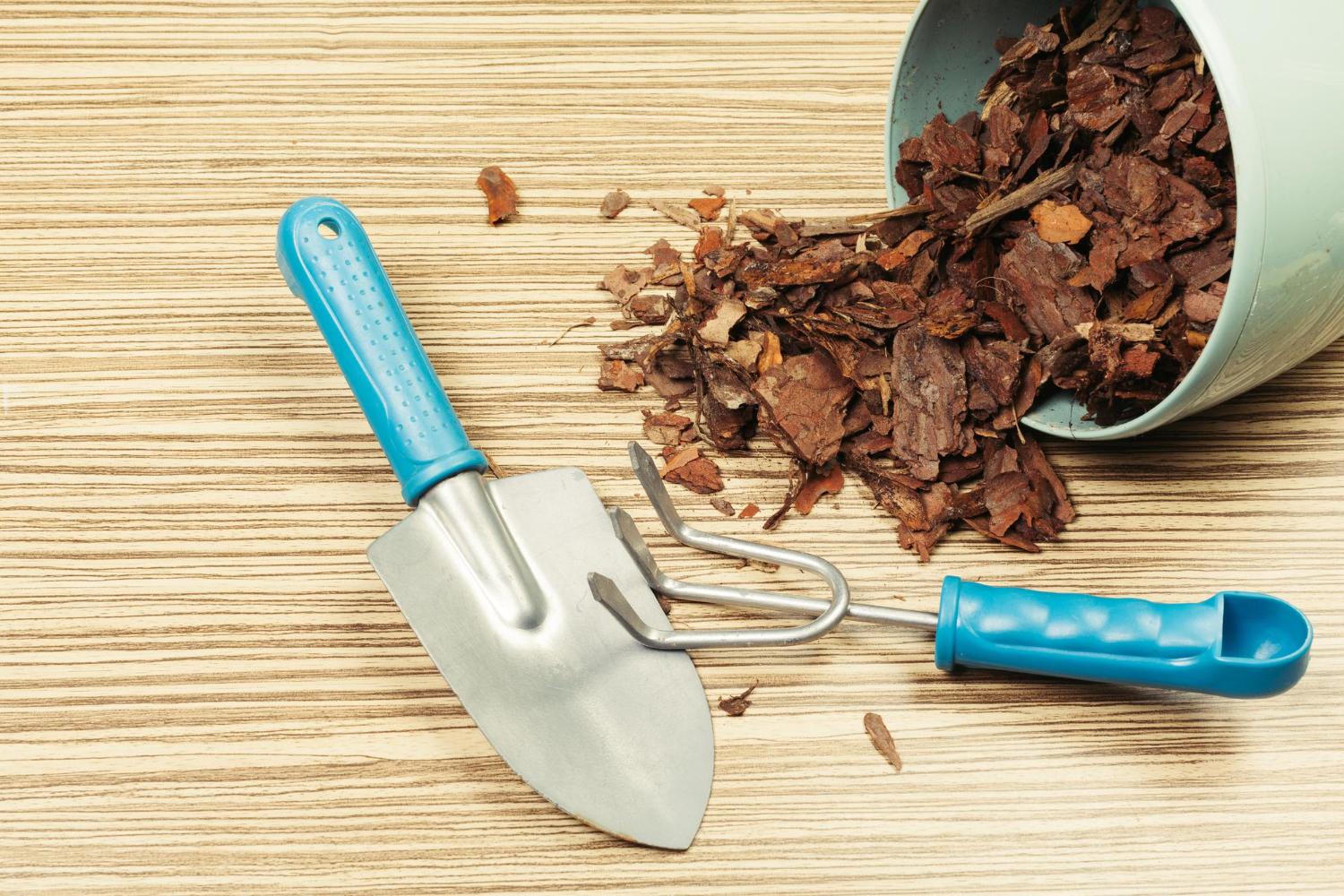
Material matters just as much. Bark mulch looks good and lasts reasonably well. Sugar cane mulch breaks down faster and feeds the soil more quickly — useful if improving soil quality is the goal. Wood chip mulch from tree lopping works well for paths and larger garden areas but isn’t always ideal around sensitive plants.
For mulch Gold Coast conditions demand, you also want to think about how the material handles humidity. Thick, compacted mulch in humid weather can create conditions that harbour pests or disease if airflow is restricted around plant stems.
What to Avoid
Pulling right mulch away from trunks and stems is one of those basics that’s constantly ignored. That crown rot risk is real, and it’s entirely preventable. Beyond that, avoid dyed or treated mulches near edible gardens — the chemicals don’t belong near anything you’re going to eat.
Annual top-ups keep the depth consistent. One good application done properly is a solid start, but mulch breaks down. Checking and refreshing once a year is what actually maintains the benefits.
Done right, it’s one of the lower-effort, higher-impact things you can do for a Gold Coast garden. It costs little, it improves almost everything — water retention, soil health, weed pressure, root temperature — and it makes the rest of your gardening easier. Most people who finally do it properly say the same thing: they should have done it sooner and done it better.